Top Reasons to Choose an Aluminum Window for Your Home or Commercial Project
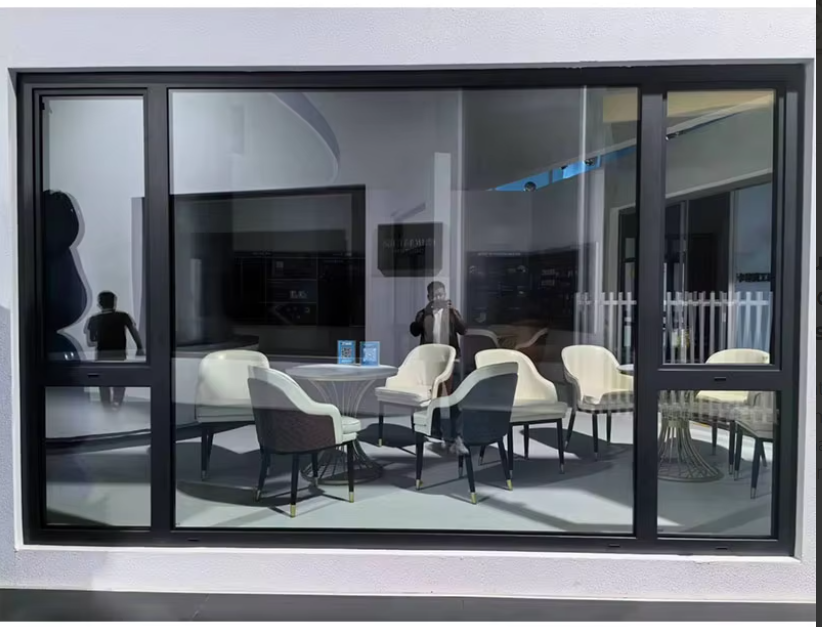
From slim-profile contemporary residences to large-scale commercial developments and hospitality projects, the aluminum window has proven itself the most reliable, design-flexible, and long-lasting window frame material in the market. If you are evaluating window options for a new build or renovation project, understanding the concrete advantages that aluminum windows offer over alternative materials will help you make a more confident and well-informed specification decision.
1. Exceptional Durability and Longevity
Aluminum is one of the most durable construction materials available. Unlike timber, it does not rot, warp, or swell in response to moisture. Unlike steel, it does not rust (it forms a protective natural oxide layer). Unlike UPVC, it does not become brittle or discolour with prolonged UV exposure. A well-manufactured aluminum window, properly finished with a quality powder coat or anodic coating, will maintain its structural integrity and visual appearance for 30 to 45 years or more with minimal maintenance — a service life that represents exceptional value over the full lifetime of a building.
2. Low Maintenance Requirements
The maintenance requirements for aluminum windows are among the lowest of any window material. Periodic cleaning with a mild detergent solution and a soft cloth is all that is needed to maintain the frame's appearance and performance. No painting, staining, sealing, or specialist treatment is required. The powder-coated or anodised surface resists abrasion, UV degradation, and chemical attack, maintaining its colour and finish for the full service life of the window without peeling, flaking, or fading in the way that painted timber or inferior UPVC finishes may over time.
3. Design Freedom and Aesthetic Impact
Few materials match aluminum's design versatility. The strength of aluminum extrusions allows system designers to create extremely slim profiles that maximise glazed area and create a lighter, more refined visual aesthetic than is achievable with timber or UPVC. This is particularly valuable in contemporary architecture where the relationship between the interior and the landscape or streetscape is a primary design consideration, and where maximising natural light and view is an architectural priority. Aluminum window systems are also uniquely able to accommodate very large glass panels — floor-to-ceiling fixed lights, panoramic sliding windows, and structural curtain wall elements — that require the structural rigidity that only metal frame materials can provide.
4. Sustainability and Recyclability
Aluminum is one of the most sustainably produced and recyclable materials in the construction industry. Approximately 75% of all aluminum ever produced is still in use today, thanks to the material's ability to be recycled indefinitely without any loss of performance or quality. Recycling aluminum requires only 5% of the energy needed to produce virgin aluminum from bauxite ore, making recycled-content aluminum one of the lowest-carbon frame materials available. Buildings seeking LEED, BREEAM, or other green rating scheme credits benefit from specifying aluminum windows from suppliers with documented recycled content and responsible sourcing policies. CY Door and Window's aluminum window range carries CE and ROHS certifications, confirming compliance with EU environmental and safety standards for global markets.