How to Choose the Perfect Cupcake Box for Retail and Custom Orders
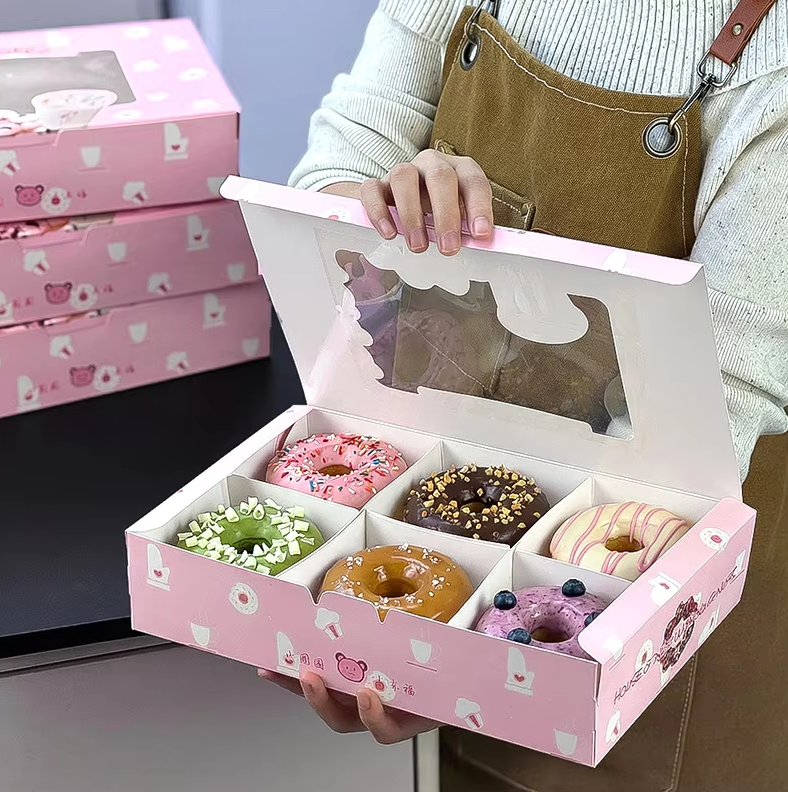
The cupcake packaging market offers an extensive range of options — from simple kraft board boxes to premium printed designs with window panels, ribbon closures, and custom inserts — and selecting the right cupcake box for your specific bakery operation requires systematically evaluating how different box options serve your product range, your brand positioning, your customer occasions, and your operational workflow. Making this selection thoughtfully rather than defaulting to the cheapest available option consistently produces better commercial outcomes — lower damage rates, higher customer satisfaction, and stronger brand identity.
Box Height and Internal Clearance
The most practically important dimension of a cupcake box is its internal height — the clearance between the insert or base level and the underside of the closed lid. This clearance must exceed the total height of the frosted cupcake — the base height plus the frosting height — by at least 5mm to ensure that no part of the frosting contacts the lid under normal handling conditions. Measured correctly, this requires knowing the specific frosting height of your bakery's cupcake range, which may vary significantly by flavour, season, or decorating style. A box that is exactly right for a standard frosted cupcake may be too shallow for an elaborately decorated special-occasion cupcake with a tall sugar flower or sculpted fondant topper. Having boxes in multiple internal heights — or specifying custom depth for high-demand seasonal products — prevents the frustrating situation of beautiful cupcakes being damaged by packaging that wasn't designed for their scale.
Insert Design for Different Cupcake Counts
The insert — the base plate with individual cups or cavities that holds each cupcake in its designated position within the box — is the component that most directly determines how well the box protects its contents during transit. High-quality inserts hold each cupcake tightly enough to prevent lateral movement but loosely enough to allow the cupcake to be removed cleanly without the base sticking to the insert material. The cup depth should match the cupcake base diameter closely — inserts with cups significantly larger than the cupcake base allow movement that defeats the purpose of the insert entirely. For bakeries shipping cupcakes by post or courier, inserts with a slight grip mechanism that locks the cupcake case positively provide the additional security needed to survive the rougher handling of delivery logistics without movement or damage.
Closure Mechanism and Ribbon Options
The closure of a cupcake box affects both its functional security and its gift presentation quality. Tuck-in flap closures are functional and economical, suitable for retail counter sales where the customer receives the box and proceeds immediately to consumption. Magnetic closure boxes provide the premium unboxing experience appropriate for gift market products — the satisfying snap of a magnetic closure communicates quality and care that tuck flaps cannot match. Ribbon tie closures — where a ribbon passes through slots in the box and ties in a bow on top — create the gift presentation aesthetic that makes cupcake boxes genuinely appropriate as premium gifts for birthdays, celebrations, and corporate occasions. Matching the closure type to the purchase occasion and the customer's expectations for that occasion ensures that the packaging enhances rather than underwhelms the gifting experience.
Minimum Order Quantities and Storage Considerations
Custom-printed cupcake boxes require minimum order quantities that typically range from 200 to 500 units for simple designs to 1,000 or more for complex multi-colour printing with specialty finishes. Balancing the per-unit cost advantage of larger orders against the storage space requirements and the obsolescence risk of overstocking a design that may change as the brand evolves requires a realistic assessment of weekly cupcake box consumption and available storage capacity. For high-volume bakeries, custom printing at scale delivers significant per-unit cost advantages over stock items; for smaller operations, premium stock designs — available from packaging suppliers in smaller minimum quantities — can provide attractive branding at accessible investment levels while the business builds the volume to justify custom print economics.