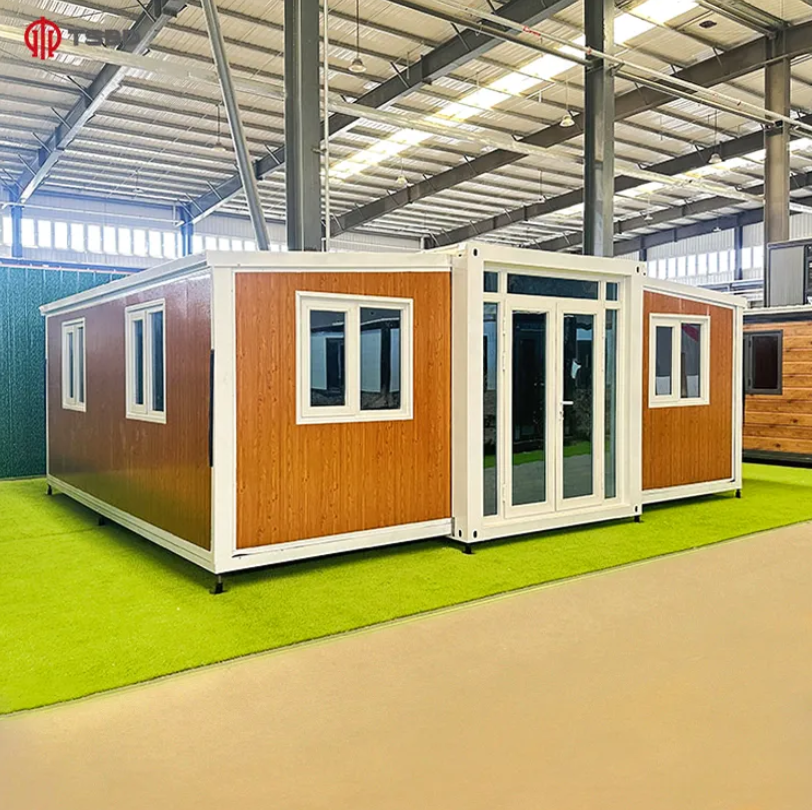
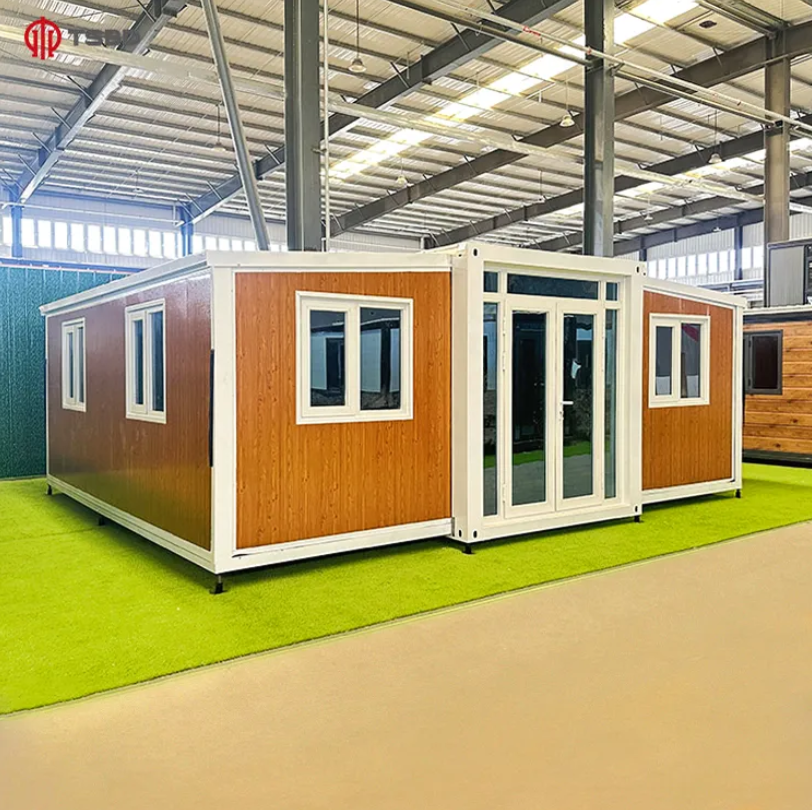
Construction project managers working in remote locations, challenging climates, and rapidly evolving site conditions have long faced the same fundamental problem: providing adequate, safe, comfortable accommodation for their workforce efficiently and cost-effectively, in places where conventional building construction is slow, expensive, or simply impossible. The modern foldable house has emerged as the engineering solution that resolves this problem — delivering complete, livable structures to any location in the world within weeks of order placement, and deploying them on-site in hours rather than the months that traditional construction requires.
Total Project Cost Analysis: Foldable vs. Conventional Construction
The total cost of providing worker accommodation on a remote construction project encompasses not only the structure itself but also the land preparation, foundation work, utility connections, maintenance over the project duration, and eventual decommissioning or disposal costs. When this total cost of ownership is calculated honestly for both conventional site-built accommodation and foldable house alternatives, foldable houses demonstrate compelling economic advantages that their higher per-unit purchase price compared to conventional materials initially obscures. Foundation requirements for foldable houses are minimal — typically a leveled gravel pad or simple concrete pier footings — compared to the full concrete slab foundations that permanent structures require. Utility connections are simplified by the pre-wired electrical systems and pre-plumbed service connections built into each foldable unit. At project completion, foldable houses can be folded, loaded, and relocated to the next project site rather than demolished — converting a sunk cost into a reusable asset that generates value across multiple project cycles.
Standardization and Supply Chain Simplification
Large construction companies and project developers who standardize their accommodation provision around a single foldable house model from a reliable global supplier like Tangshan Waiyang gain significant supply chain management advantages. Because all units are identical in construction, connection interfaces, and service requirements, project logistics teams develop expertise in deploying and managing the units efficiently — reducing setup times progressively with each successive project. Spare parts inventories are standardized, maintenance procedures are consistent, and training requirements for site maintenance staff are simplified. The documentation burden of managing multiple accommodation supplier relationships is reduced to a single supplier interface, with standardized contract terms, product warranties, and technical support protocols that apply uniformly across all projects globally.
Sustainability and Environmental Credentials
The reusability of foldable houses across multiple project cycles is their most significant environmental advantage over conventional temporary construction. Each reuse cycle prevents the material waste, energy consumption, and carbon emissions associated with demolishing a conventional structure and building a replacement from scratch at the next site. Foldable houses from Tangshan Waiyang are also available with solar panel integration, rainwater harvesting connections, and energy-efficient glazing systems that minimize the environmental footprint of the accommodation operation throughout the project lifecycle. For construction companies with sustainability reporting commitments and ESG ratings to maintain, specifying foldable houses as the standard accommodation solution is a defensible, documented contribution to environmental performance that conventional temporary construction cannot match.